Technology Principles

Ion Separation in Gravitational Field

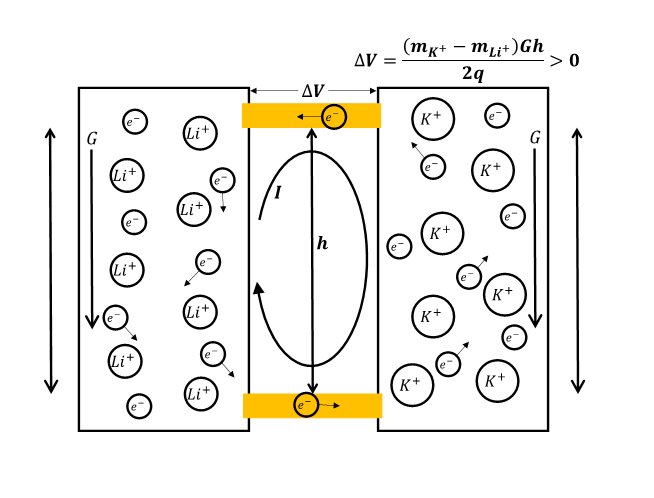
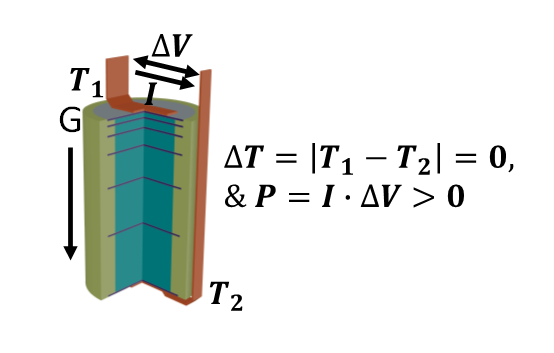
Under the influence of gravitational fields, ions of different masses undergo separation, forming internal electric field gradients and generating voltage differences. This phenomenon allows voltage differences to be output as electrical energy, breaking through the limitations of the traditional second law of thermodynamics and achieving direct heat-to-electricity conversion.

Through precise control of ion concentration and gravitational field intensity, we can continuously generate stable current output with efficiency far exceeding traditional thermoelectric conversion technology.

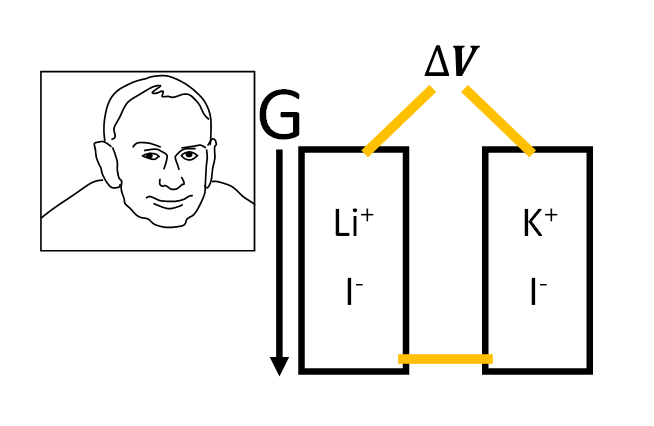
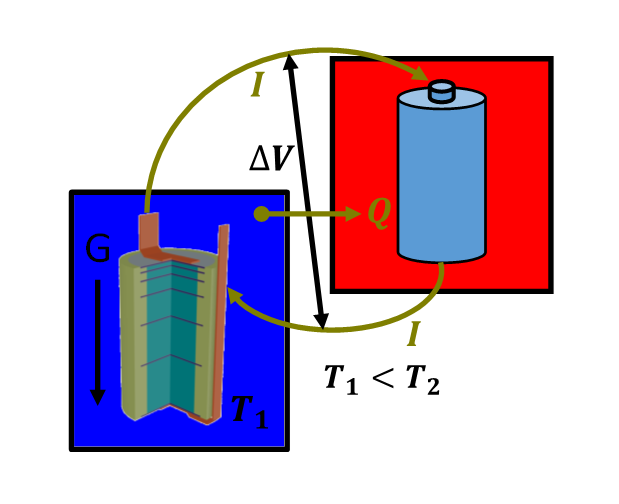
Schematic diagram of lithium and potassium ions generating current in parallel under gravitational field

Research Results

Full Academic Paper

Complete academic research paper providing detailed exposition of Gravity Ion Thermoelectric Conversion technology's theoretical foundation and experimental validation.

Academic paper PDF viewer containing complete research content, data analysis, and conclusions
Paper Information
Author: Kuo Tso Chen
Institution: OPTROMAX Co. Taiwan
File Size: approximately 1.2 MB
Pages: 43 pages
Download Options
📥 Download PDF File

Scientific Breakthrough

Re-examining Tolman's experiment, discovering revolutionary mechanisms challenging traditional physics

Century-old experiment, today's major discovery

1910

Tolman's Original Discovery

Observed voltage difference in electrolyte solutions under acceleration

Century

Limitations of Traditional Interpretation

Academic community believed this was only a transient effect, unable to sustain current

Today

Breakthrough Reinterpretation

Confirmed that continuous and stable current output can be achieved in gravitational field

Tolman's discovery: Voltage difference in lithium and potassium iodide solutions under acceleration or gravity

Traditional Interpretation vs New Discovery Comparison

Perspective Traditional Interpretation New Discovery
Current Continuity Only a transient phenomenon Can achieve continuous stable output
Energy Source No sustained energy input Thermal vibration provides driving force
Physical Mechanism Simple inertial effect Gravity-induced spontaneous electric field generation
Theoretical Significance Conforms to traditional thermodynamic laws Challenges the second law of thermodynamics

Heat-to-Electricity Conversion Mechanism

Ion separation in gravitational field generates electric field, thermal vibration drives electrons against electric field, achieving continuous thermoelectric conversion

1

Gravity Separates Ions

Under the action of gravitational field, ions of different masses undergo separation, with heavy ions settling to the bottom and light ions rising to the top

2

Generate Stable Electric Field

Ion separation leads to charge redistribution, spontaneously generating a stable upward-directed electric field, forming continuous voltage difference

3

Thermal Vibration Drives Current

Thermal vibration provides sufficient energy for electrons, driving them to move against the electric field, forming continuous stable current output

Boltzmann Equation Display

Ion concentration distribution under combined action of gravitational field and electric field

n(z) - Ion concentration at height z
m - Ion mass
G - Gravitational constant
E - Electric field intensity
T - Temperature
k - Boltzmann constant
z - Height position

Comparison with Traditional Theory

Our findings challenge three important physical laws, opening a new era of energy science

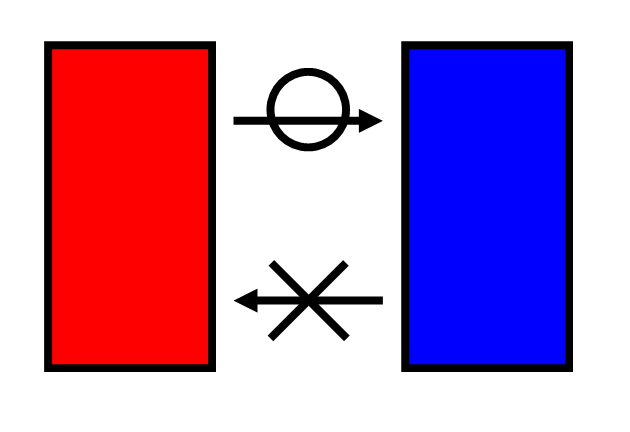
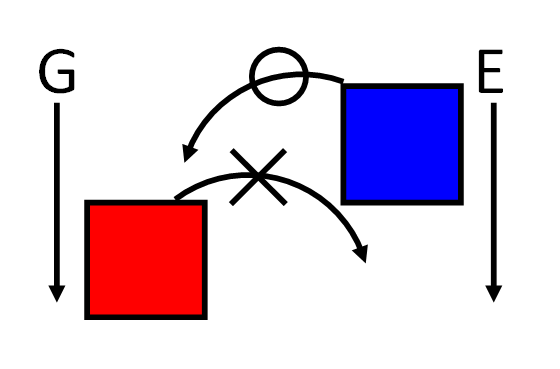
Second Law of Thermodynamics

Direction of Energy Flow

Traditional View

Heat can only flow from hot to cold

Energy flows from hot region to cold region
New Discovery

Under gravitational field, energy transfer from cold to hot can be achieved

Abstract diagram showing energy flow from cold to hot region under gravitational field

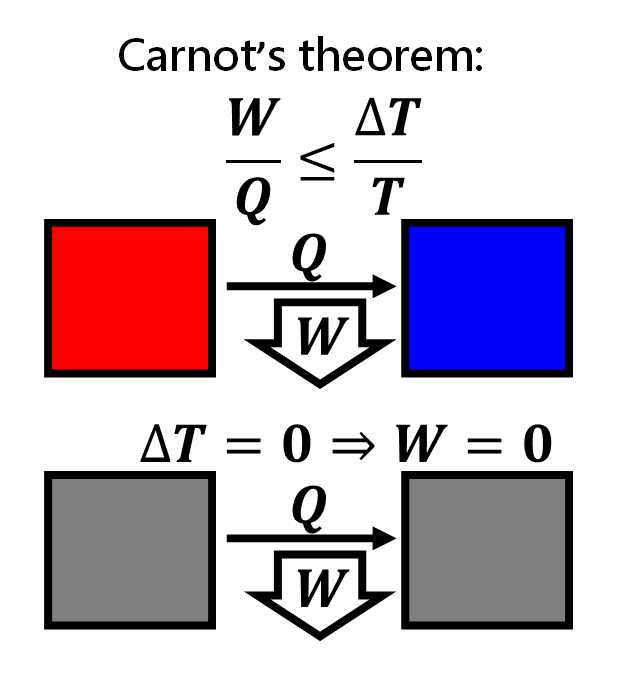
Carnot's Theorem

Heat Engine Efficiency Limitation

Traditional View

No work can be produced under isothermal conditions

Illustration of Carnot's Theorem
New Discovery

Under gravitational field, isothermal systems can continuously output electrical energy

Measured sample surpasses Carnot's Theorem limitation

Entropy Change

System Disorder Level

Traditional View

Entropy in closed systems can only increase, never decrease

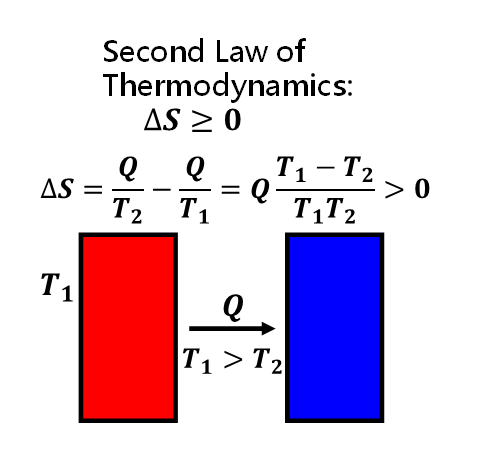
Illustration of the Second Law of Thermodynamics
New Discovery

Entropy can decrease under specific conditions

Measured sample surpasses Second Law of Thermodynamics limitation

Principles of Heat-to-Electricity Conversion

Learn how gravitational field enables direct conversion mechanism from thermal vibration energy to electrical energy

Gravitational Field Ion Separation

Spontaneous charge separation driven by mass difference


Schematic diagram showing self-generated electric field redistributing ions to stable equilibrium state, demonstrating distribution pattern of ions with different masses in gravitational field

Under gravitational field influence, ions with different masses exhibit distinct spatial distribution differences. Heavy ions tend to settle to the bottom, while light ions float to the top, forming a concentration gradient distribution.

When charged ions replace neutral molecules, this mass-difference-induced separation phenomenon creates charge imbalance, spontaneously forming a stable electric field distribution.

Key: The greater the mass difference, the more pronounced the charge separation effect
Electric Field Generation Mechanism

Theoretical derivation based on Boltzmann distribution

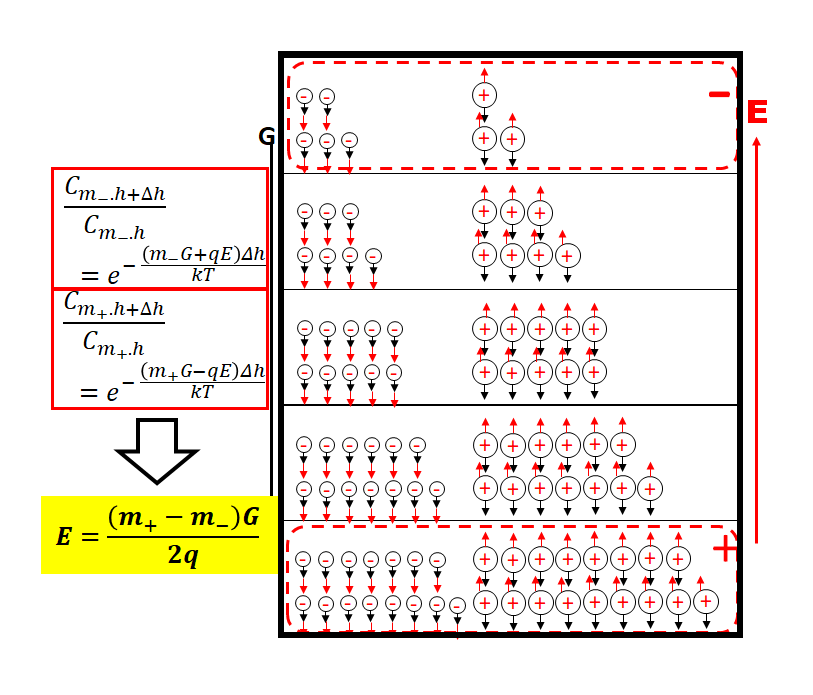
Mathematical formula schematic showing addition of electric and gravitational terms to Boltzmann equation to derive mass-difference-related electric field

The electric field generated by charge separation drives ion redistribution until reaching dynamic equilibrium. Through the modified Boltzmann equation, the electric field intensity can be precisely calculated.

Electric field intensity is proportional to ion mass difference: E = (m₊ - m₋)G / 2q, and is independent of ion concentration.

Key: Electric field intensity agrees with Tolman 1910 experimental results

Energy Conversion Cycle

Continuous energy conversion driven by thermal vibration

Schematic diagram of cyclic process where electricity is released outward while electrons regain energy from internal electric field

After electrons flow along external circuit releasing electrical energy, thermal vibration drives electrons to move against the electric field, regaining potential energy and forming continuous energy cycle.

This process achieves direct conversion from thermal vibration energy to potential energy, with theoretical calculations showing energy density up to 72W/m³.

Key: Thermal vibration provides driving force for electrons to move against electric field

Core Conversion Mechanism Summary

1
Gravity Separation

Spatial separation of ions with different masses

2
Electric Field Formation

Charge imbalance spontaneously generates stable electric field

3
Electrical Output

Voltage difference drives external current generation

4
Energy Replenishment

Thermal vibration drives electrons to regain energy

Energy conversion efficiency theoretical calculation:

P ≈ 72 W/m³

Energy density output under ideal conditions

Experimental Evidence: Three Months of Stable Verification

Through strictly controlled experimental environment, we obtained continuous stable current output data, confirming the reliability of the theory

Three Months Stable Current Experiment

In strictly controlled experimental environment, continuously monitored voltage and current output for three months, verifying technology's long-term stability

Voltage Over Time

Real-time monitoring data shows stable voltage output

Continuous and stable current measured in Kuo Tso Chen's sample

Continuous stable current measured in experimental sample

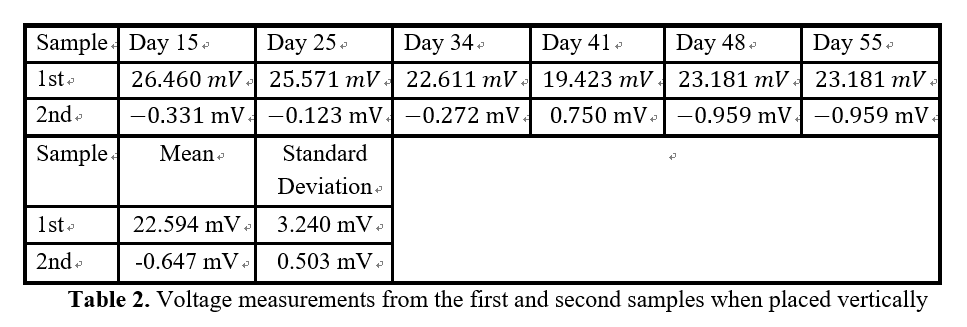
Output voltage versus time table when battery is upright

Voltage-time data table when battery is in upright position

Key Findings
  • Continuous 90-day stable voltage output with coefficient of variation less than 2%
  • No external power input, completely spontaneous current generation
  • Current density reaches 10⁻⁸ A/cm², consistent with theoretical predictions

Flip Verification Experiment

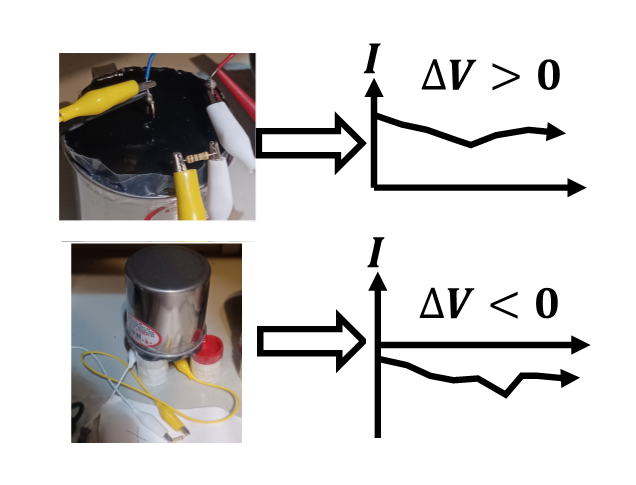
By flipping the experimental sample, observe immediate reversal of voltage direction, verifying direct influence of gravitational field on ion separation

Interactive Flip Simulation

Click buttons to observe voltage direction changes

+12.0mV
Top
0.0mV
Bottom
Voltage Difference
+12.0mV
Electric Field Direction
Upward
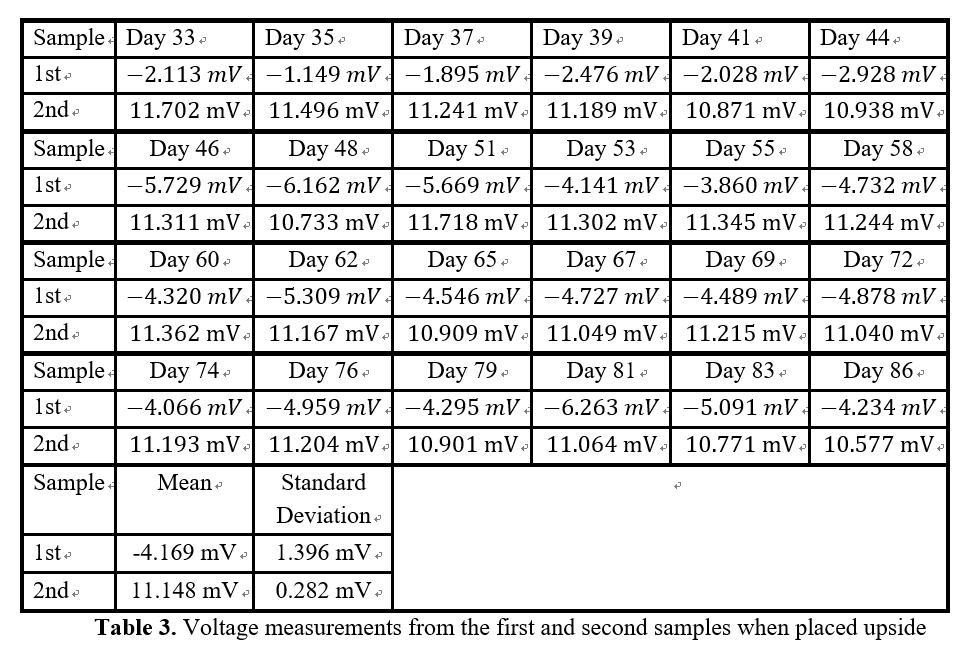
Voltage reversal phenomenon when sample is upside down

Observed voltage reversal phenomenon when sample is upside down

Output voltage versus time table when battery is upside down

Voltage-time data table when battery is in upside-down position

Comparison Analysis
State Top Voltage Bottom Voltage Voltage Difference
Upright +12.0mV 0.0mV +12.0mV
Upside Down 0.0mV +12.0mV -12.0mV

Experimental Equipment and Environment

Utilizing advanced experimental equipment and strictly controlled environmental conditions to ensure accuracy and reproducibility of experimental results

Experimental Device Structure

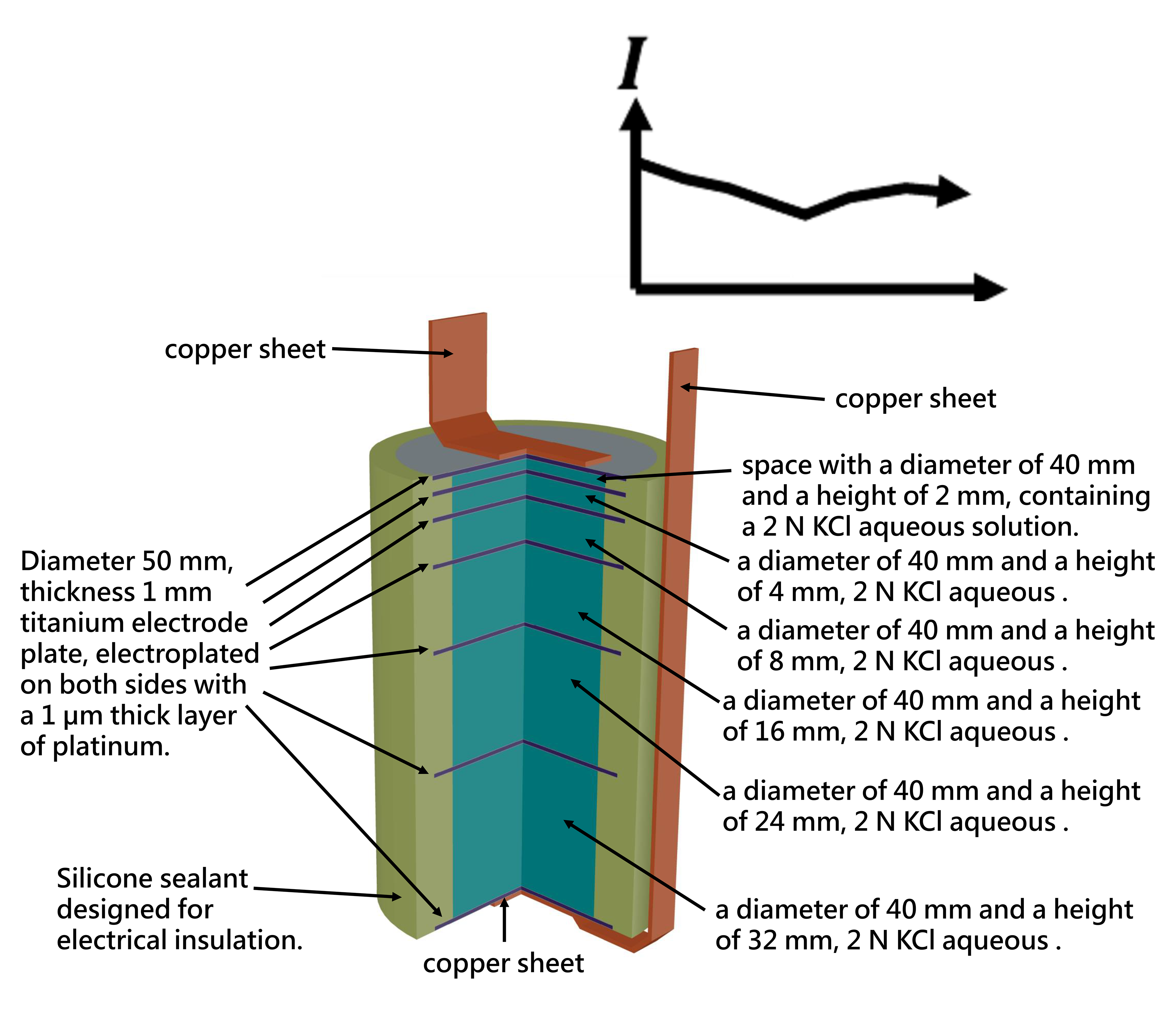
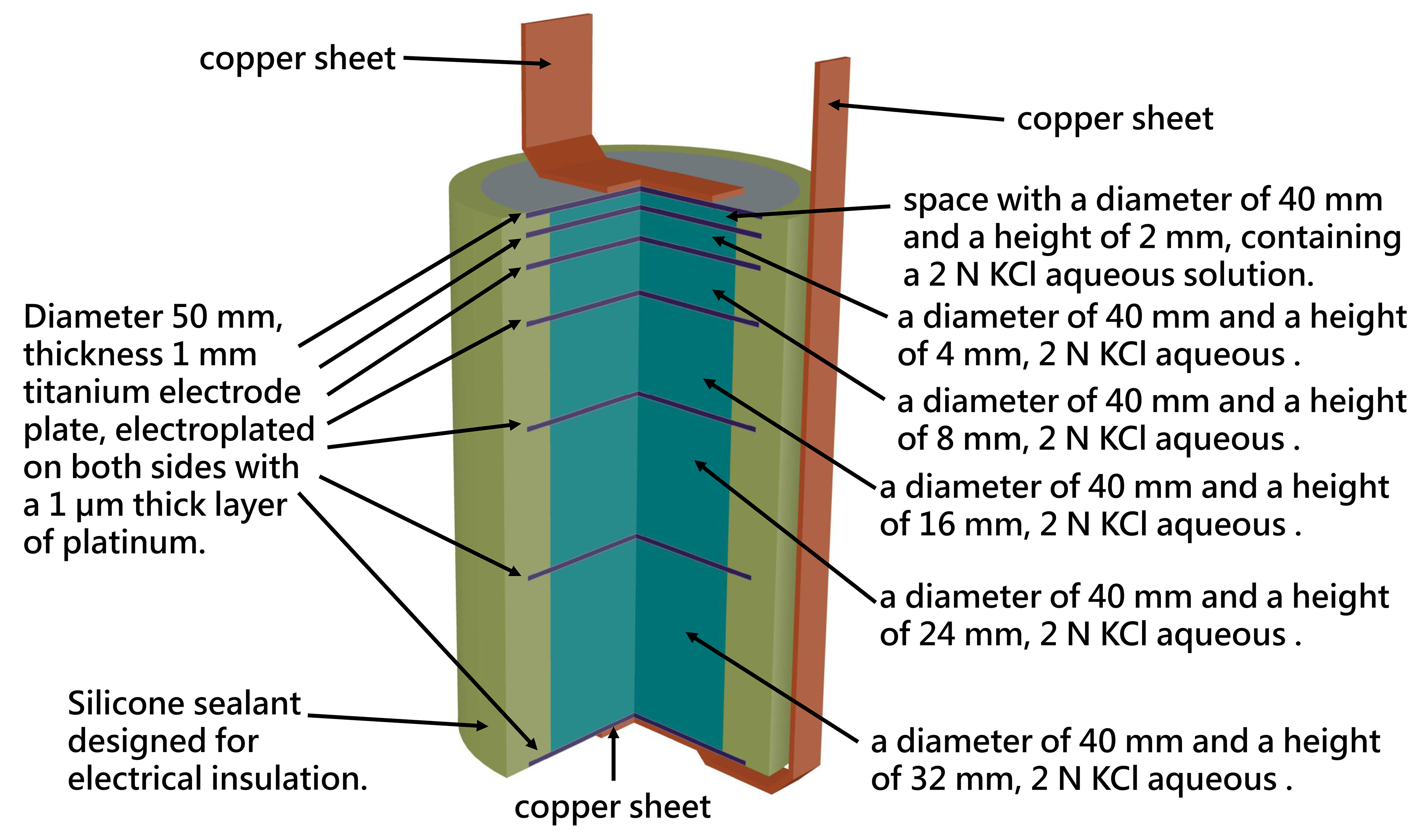
Structural diagram of centrifugal battery used in experiment
Battery Structure Design

Centrifugal battery structure maximizing gravitational field effect

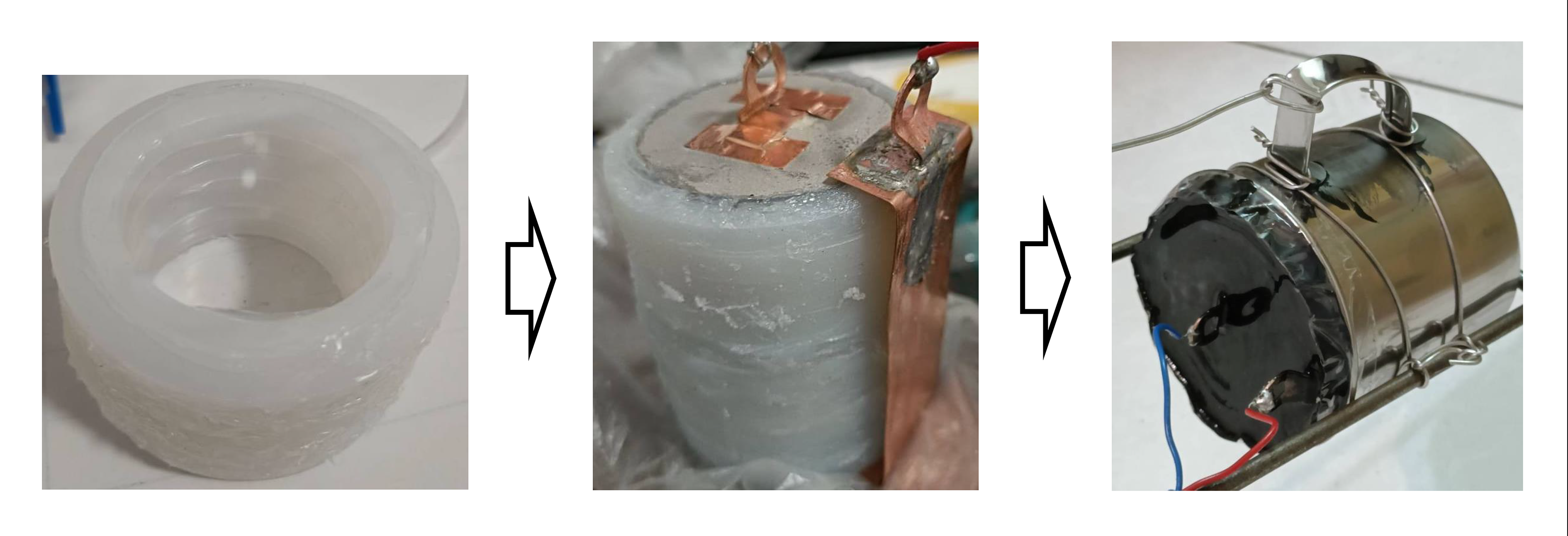
Components of centrifugal battery manufacturing
Manufacturing Components

Precision-machined battery components ensuring experimental accuracy

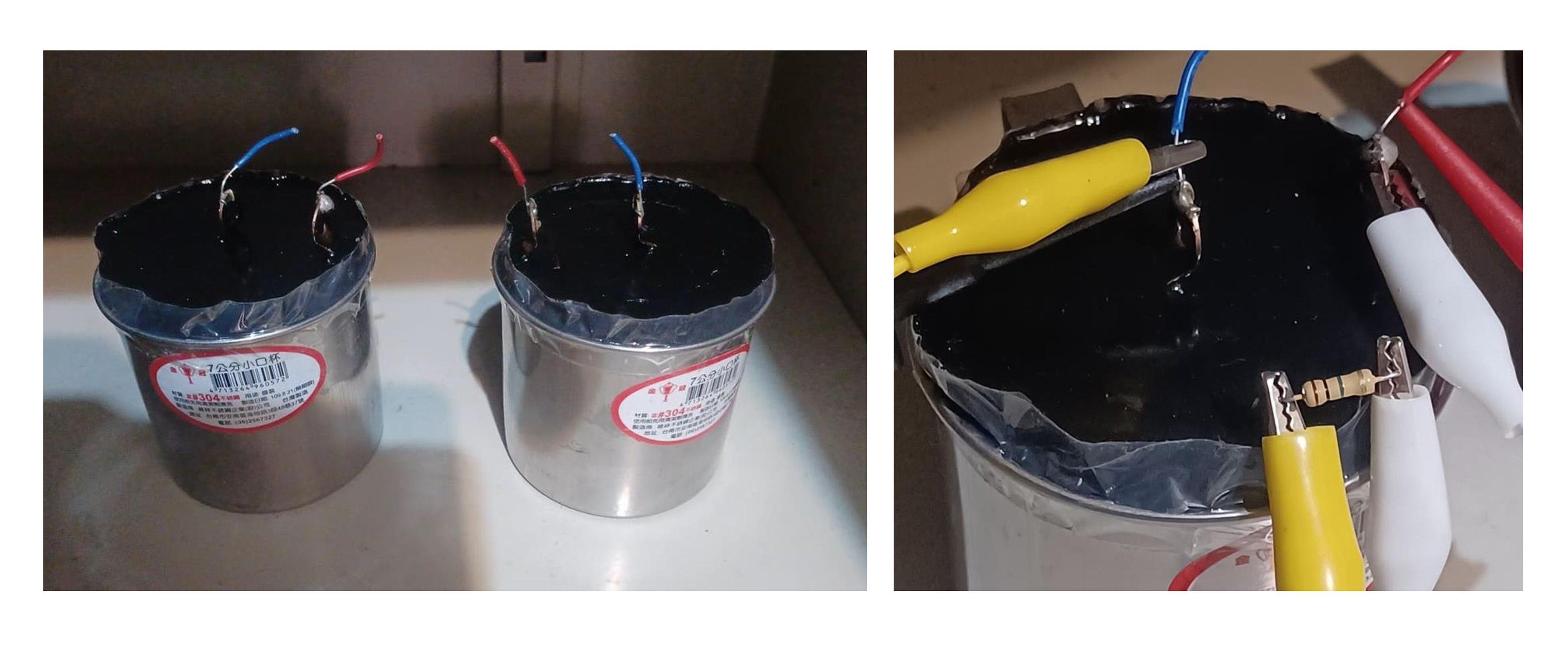
Actual photos of battery setup and output connections
Actual Device

Actual battery device and measurement system in laboratory

Strictly Controlled Environment

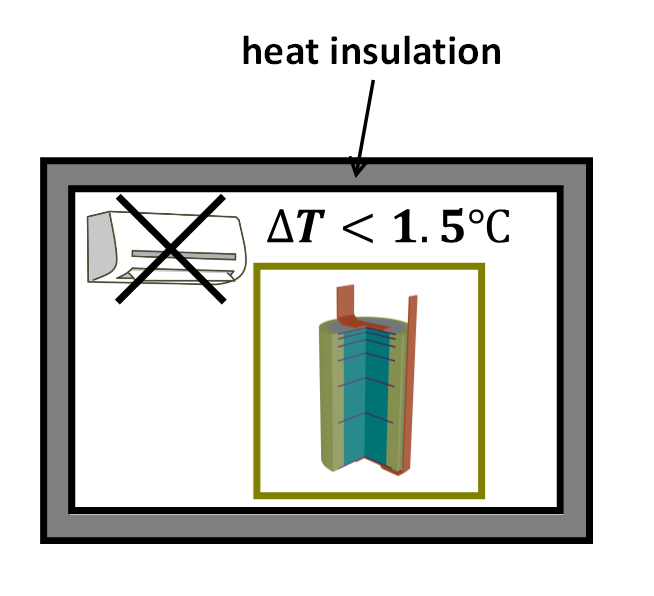
Laboratory environment with strict control of temperature and airflow

Laboratory environment with strict control of temperature and airflow

Temperature Control System
  • • Precision: ±0.1°C
  • • Maximum day-night temperature range: ±1.5°C
  • • Continuous monitoring: 24 hours/day
Electromagnetic Shielding Measures
  • • Faraday cage-type shielding room
  • • Isolation from external electromagnetic interference
Airflow Control Equipment
  • • Laminar flow control system
  • • Humidity control: 45-55%

Centrifuge Test Results

Test Parameters
Centrifugal Force
10G
RPM
3000 RPM
Test Duration
2 hours
Voltage Enhancement
10x
Test Conclusion

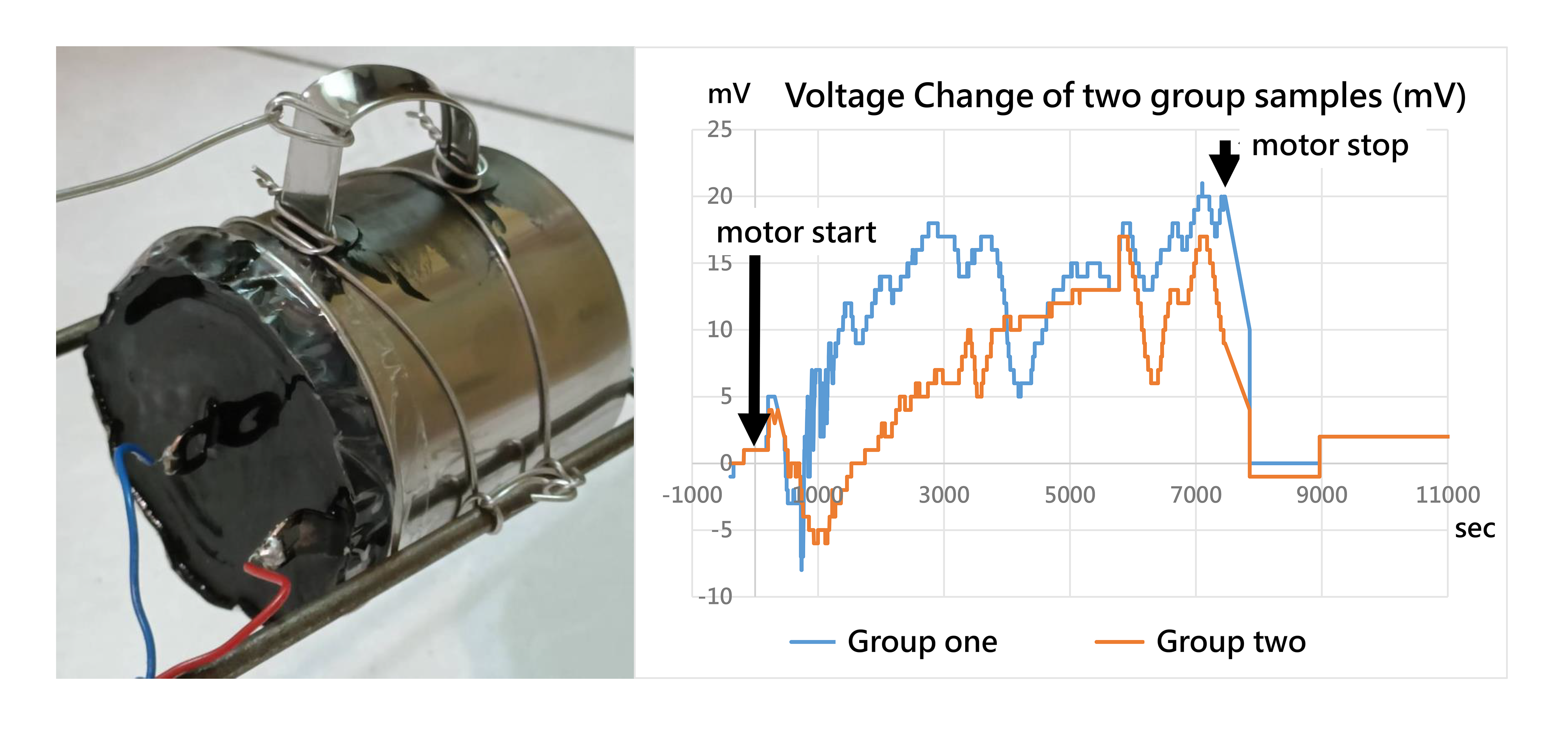
Under 10G centrifugal force, voltage output significantly increased to 10 times the original, verifying the proportional relationship between gravitational field intensity and voltage output, further confirming the theoretical mechanism of gravity-induced ion separation.

Output voltage of battery under 10G centrifuge

Battery voltage output results under 10G centrifuge test

Academic Recognition and Challenge

We issued an open challenge to 5,395 physics and chemistry professors from 75 world-renowned universities across 16 countries, spanning 134 days, and to date, no one has been able to identify theoretical errors

5,395+
Professors Challenged
None Found Errors
127
Responses
16
Countries
75
Universities
134
Days Challenge

Core Challenge Questions

These questions challenge fundamental assumptions of traditional physics, and to date, no professor has been able to provide satisfactory answers

Violating the Second Law of Thermodynamics?

"If this violates the Second Law of Thermodynamics, please point out where the error is?"

● No satisfactory answer yet
🔍

Century-old Blind Spot

"Why hasn't anyone discovered this phenomenon for over a century?"

Answer:

1. The net mass of chloride and sodium ions in seawater is too close
2. Misunderstanding of the Second Law of Thermodynamics in the physics community.

● Complete answer provided

Continuous Current Mechanism

"How to explain the stable current sustained for three months?"

Answer:

In an acceleration field, thermal vibration energy can drive charged particles to diffuse against the electric field direction.

● Complete answer provided
📉

Possibility of Entropy Decrease

"Is entropy decrease possible under gravitational field?"

● Theoretical debate ongoing

Preprint Paper Impact

The paper has garnered widespread attention in the academic community after publication, showing real download data

194
Total Downloads
From viXra data
Last updated: August 2025

Journal Publication Challenges

Breakthrough discoveries face challenges from traditional academic publication systems

🔄

Interdisciplinary Dilemma

Physics journals consider it a chemistry problem, chemistry journals consider it a physics problem, creating review delegation

👥

Lack of Reviewers

Few experts are willing to take on review responsibilities, concerned about involvement with controversial content

🛡️

Conservative Resistance

Traditional academic systems' natural conservatism and resistance toward breakthrough discoveries

Solution Path

1
Preprint Platform Release

First publish research results through platforms like arXiv

2
Global Challenge Invitation

Issue open challenge to global experts, establishing credibility

3
Independent Verification

Invite third-party laboratories for independent verification

4
Journal Submission

Formally submit to top journals after accumulating sufficient evidence

International Collaboration Opportunities

🌍 Recruiting Collaboration Partners
Academic institutions and energy organizations are welcome to contact us

Please send email to
gtchen0@gmail.com
🎓

Academic Institutions

University Research Centers

Energy Organizations

Industry Partners

🔬

R&D Institutions

Technology Innovation Teams

Technical Applications

Gravity Ion Thermoelectric Conversion Calculator

Based on Dr. Chen's paper real physics model, calculating power output of different ion systems

Using Boltzmann distribution and electric field intensity calculations (Equations 1-4)

Multi-Ion System Power Output Comparison

🧪 Experimental Data Sources
  • • Tolman 1910: LiI, KI solution tests
  • • Chen 2024: HI theoretical calculations
  • • Paper Table 1: Structure parameter optimization
⚡ Ion Mass Differences
  • • H⁺: 1.15×10⁻²⁶ kg, I⁻: 2.11×10⁻²⁵ kg
  • • Li⁺: 1.15×10⁻²⁶ kg, I⁻: 2.11×10⁻²⁵ kg
  • • K⁺: 6.49×10⁻²⁶ kg, Cl⁻: 5.89×10⁻²⁶ kg

Different ion mass differences produce different electric field intensities

Calculated using SMALL structure

Power Density

0.00 W/m³

P = (ΔV/2)² / R

Efficiency Multiplier

0.000 x

Relative to baseline

Daily Energy Output

0.0 Wh

24-hour continuous operation

Material Stress

Safe

Aluminum alloy structure limit

🔬 Advanced Physics Parameters

Electric Field Intensity
0.00

V/m

Voltage Difference
0.00

V

Boltzmann Ratio
1.00

Dimensionless

Max RPM
0

RPM

HI Efficiency
0.0

W/m³

LiI Efficiency
0.0

W/m³

⚙️ Structural Limit Parameters (Paper Table 1)

SMALL Structure

r₃: 0.005 m

Max RPM: ~916,000 RPM

Max Acceleration: ~4.7×10⁶ g

Power Density: 72.23 W/m³

MEDIUM Structure

r₃: 0.02 m

Max RPM: ~229,000 RPM

Max Acceleration: ~1.17×10⁶ g

Power Density: 4.514 W/m³

LARGE Structure

r₃: 0.08 m

Max RPM: ~57,200 RPM

Max Acceleration: ~2.93×10⁵ g

Power Density: 0.2821 W/m³

Theoretical limits based on aluminum alloy 7075-T6 yield strength (670 MPa) and density calculations. Practical applications require consideration of safety factors and dynamic balance limitations.

📖 Interactive Learning Path

📚 Complete Scientific Principles

All core formulas and calculation principles

🧮 Core Physics Equations

Fundamental physical laws of Gravity Ion Thermoelectric Conversion

⚛️
Boltzmann Distribution

Boltzmann Distribution

Describes concentration distribution differences of ions in gravitational fields, serving as the theoretical foundation for gravity ion separation effect

Electric Field Intensity

Electric Field

Spontaneous electric field generated by mass differences in acceleration fields, driving current generation

🔋
Voltage Difference

Voltage Difference

Measurable voltage difference produced by separation of ions with different masses, enabling electrical output

🌀
Centrifugal Acceleration

Centrifugal Acceleration

Centrifugal acceleration generated by rotating systems, reaching millions of times Earth's gravity

⚡ Advanced Performance Analysis

Key parameters for engineering implementation and safety assessment

Power Density

Power Density

Power output calculation per unit volume, evaluating system performance

🚀
Maximum RPM

Max Speed

Maximum safe RPM under material strength constraints

🛡️
Safety Factor

Safety Factor

Engineering design coefficient ensuring structural safety

🔬 Ion System Performance Analysis

Comparative research and performance optimization of multi-ion systems

🔬
Multi-Ion Comparison

Comparative analysis of H⁺/I⁻, Li⁺/Cl⁻, K⁺/Cl⁻ system performance, revealing HI system has the optimal mass difference ratio

Mass Comparison
I⁻/H⁺: 18.4 x
Cl⁻/Li⁺: 5.1 x
K⁺/Cl⁻: 1.1 x
📊
Mass Difference Effect

Impact of different ion mass differences on power generation efficiency; larger mass difference yields stronger electric field

Performance Ranking
HI > LiI > KI
Ranked by electric field intensity
⚖️
Optimization Parameters

Optimal configuration of structural dimensions and RPM, balancing power output with safety considerations

Design Guidelines
RPM ∝ √(Strength/Density)
Power ∝ Mass Difference²
💡

Interactive Formula Viewer

Click any formula to view detailed calculation process, variable descriptions, and physical significance

Technical Specifications and Efficiency Parameters

Actual technical indicators based on existing materials and processes

Power Density

72
W/m³

Basic power output under existing material conditions

Efficiency Enhancement

16×
When RPM × 4

Power amplification from centrifugal force squared relationship

Material Requirements

Common
Materials

No special materials required, engineering plastics are sufficient

Operating Conditions

Room Temp
Standard Pressure

Operates at room temperature under normal atmospheric pressure

Maintenance Requirements

Extremely Low
Maintenance Cost

No wear parts, long-term maintenance-free operation

Scalability

Modular
Design Architecture

Flexible power scale expansion based on demand

Main Application Scenarios

Comprehensive applications from households to industries, from cities to remote areas

Household Energy Systems

  • Small centrifugal power generation device
  • 24/7 continuous power generation
  • No fuel refilling required
  • Silent operation design
Application Advantages

Installed on rooftops or in basements to provide stable clean power for homes, can be used complementary with the grid

Industrial Energy Stations

  • Large-scale centrifugal arrays
  • Megawatt-level power output
  • Modular expansion design
  • Intelligent control system
Application Advantages

Suitable for industrial parks and large enterprises, can replace traditional thermal power generation and significantly reduce carbon emissions

Remote Area Power Supply

  • Independent power system
  • No grid connection required
  • Adapts to harsh environments
  • Long-term stable operation
Application Advantages

Provides reliable power to remote areas such as mountains and islands without complex grid infrastructure

Green Energy Comparison Analysis

Comprehensive comparison of advantages and disadvantages of various clean energy technologies

Energy Type Stability Efficiency Environmental Cost
Gravity Thermoelectric 24/7 Stable 72+ W/m³ Zero Pollution Low Maintenance
Solar Weather Dependent 15-20% Clean Moderate
Wind Unstable 25-35% Noise Issue Moderate
Nuclear Stable High Efficiency Nuclear Waste High Cost

Global Warming Solution

The optimal solution to address global warming

Technology Development Roadmap

Complete timeline planning from laboratory to global promotion

Be Part of the Energy Revolution

Every share could change the future of global energy

Watch Complete Scientific Explanation

Gain in-depth understanding of gravity thermoelectric conversion technology principles

Read Complete Research Paper

Access detailed experimental data and theoretical analysis

View VIXRA Preprint Paper
Author: Kuo Tso Chen Institution: OPTROMAX Co. Taiwan File Size: approximately 1.2 MB Pages: 43 pages

Contact Us

Interested in our technology? Welcome to contact our research team

Research Collaboration

We sincerely invite research institutions and scholars worldwide to explore the infinite possibilities of this breakthrough technology together.

Commercial Application

If you are interested in the commercial application of this technology, our team will provide professional consulting services.